

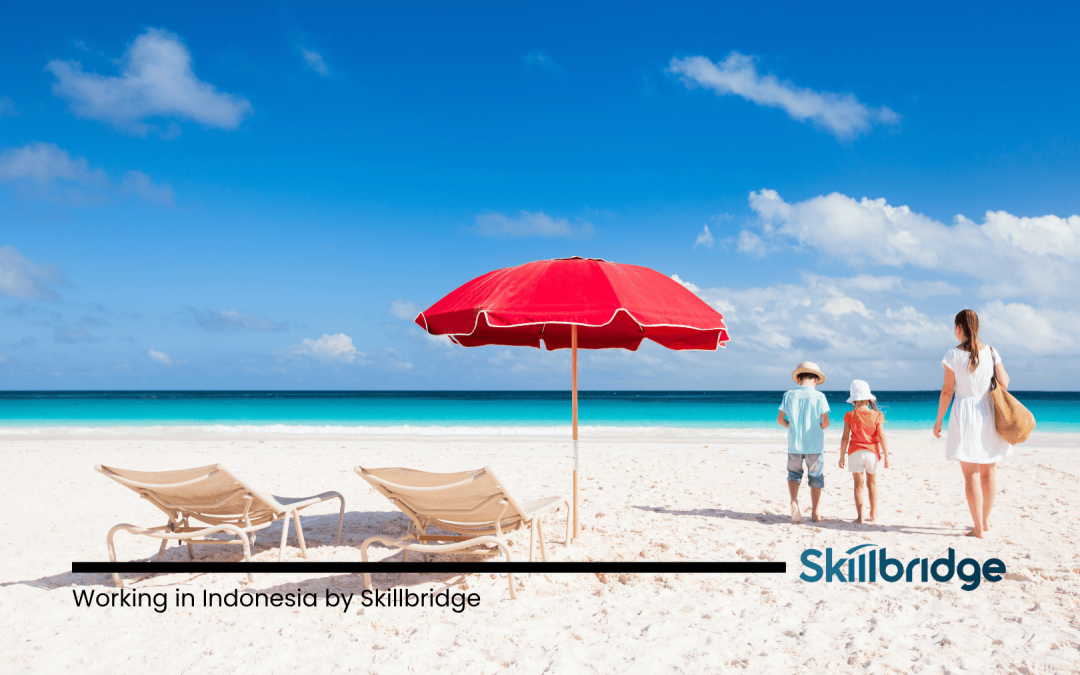
A laptop glows in a Bali cafe while its owner sips an iced latte, pretending via Slack and virtual backgrounds to be back at their Jakarta desk, the ultimate quiet vacation.
This practice is known as quiet vacationing: taking leisure trips during working hours without requesting formal paid time off. Unlike digital nomads who openly travel with company approval, quiet vacationers sneak away. They answer urgent pings, join scheduled calls, and complete baseline deliverables, all while relaxing at a resort or exploring a new city off the clock.
The Cultural Pressure Driving the Secret Getaway
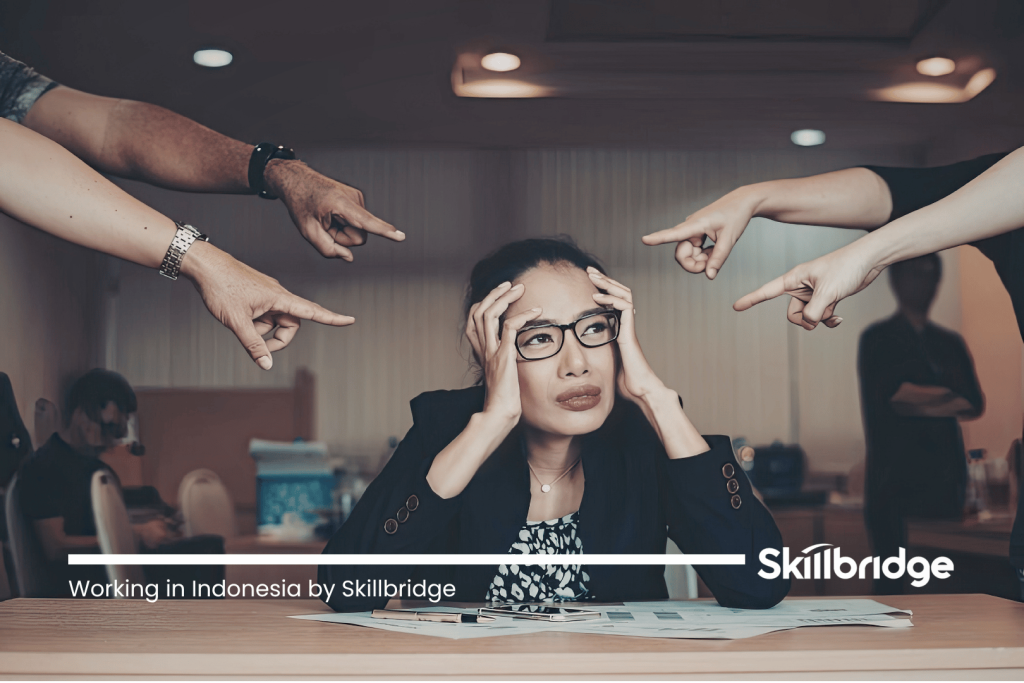
Why do capable professionals risk their professional reputations to take holidays in secret? In the modern Indonesian corporate landscape, the motivation stems from systemic workplace anxieties rather than laziness.
- The Stigma Around Taking Leave: Many organizations still quietly equate relentless availability with organizational loyalty. Submitting a formal leave request often invites passive-aggressive remarks from management, side-eye from overwhelmed peers, or unspoken career penalties.
- The Dread of the Post-Vacation Backlog: Taking time off often means returning to an unmanageable mountain of unattended tasks. When taking three days of annual leave requires working seventy hours the following week to catch up, slipping away quietly feels like the lesser evil.
- Outputs Versus Presenteeism: Remote work proved that focused knowledge workers can often finish their daily responsibilities in four or five hours. However, traditional company policies still demand eight consecutive hours of chair-time. Rather than asking for empty desk time, workers repurpose those leftover hours for personal travel.
The Hidden Stress of the Digital Smokescreen

While quiet vacationing sounds liberating in theory, the day-to-day execution is mentally exhausting. Employees spend significant energy maintaining an elaborate technical illusion.
Workers live in constant fear of the spontaneous, unscheduled video call. Stepping away from the hotel desk to swim or take a walk becomes an exercise in hyper-vigilance. They carry secondary phones into the pool area, use third-party tools to keep their online status active, and test room lighting to hide the fact that they are sitting inside an open-air villa.
More critically, quiet vacationing defeats the fundamental purpose of taking time off. True psychological recovery requires absolute detachment from work obligations. Checking emails every twenty minutes from a deck chair does not recharge a depleted mind. Instead, workers return to their regular schedules physically tired, mentally fractured, and continuously anxious about getting caught.
Shifting Focus from Surveillance to Autonomy
If quiet vacationing is happening across your workforce, implementing invasive surveillance software is the wrong solution. Activity trackers, keystroke loggers, and mandatory camera rules merely treat the symptoms while destroying mutual trust. Forward-thinking organizations should address the underlying causes through practical cultural shifts.
Measure Impact, Not Activity Dots
Managers must evaluate employees based on clear, verifiable deliverables, project milestones, and the quality of their contributions. When outcomes serve as the primary performance metric, tracking whether a team member is at their desk in Tangerang or a cafe in Yogyakarta becomes irrelevant.
Champion Genuine Disconnection
Leaders must model healthy rest. When directors and senior managers take leave, they should actively disconnect from messaging apps and delegate their operational duties. Creating an environment where employees feel secure taking their full annual entitlement removes the incentive to take deceptive vacations.
Formalize Work-From-Anywhere Policies
Several progressive employers across Southeast Asia have adopted flexible mobility frameworks, allowing staff to work remotely from any domestic destination for up to thirty days each year. Setting clear parameters for response times, working hours, and operational deliverables makes travel transparent and eliminates the need for deception.
Rethinking Modern Productivity
Quiet vacationing is ultimately a rational response to an outdated management style that confuses uninterrupted visibility with genuine value creation. Workers do not want to hide their lives from their employers. They simply want the flexibility to live well without jeopardizing their job security. Organizations that learn to evaluate real results, respect intentional rest, and modernize their expectations will find that their people no longer feel the need to disappear into the shadows.
Have any career questions or need specialized guidance to break into your dream career? Don’t hesitate to discuss it directly with our team! Contact Mei via WhatsApp at 0811 201 218 right now and start your professional journey with Skillbridge Talent.
